EP036: Experiencing our sacredness
How to listen on my device? Episode transcript is available here
On this episode we are talking with Craig Rennebohm. Craig is a retired UCC pastor who spent twenty-five years of ministry on the downtown streets of Seattle as a mental health chaplain. Based at Plymouth Church, he connected each day with others, seeking out the most isolated of our neighbors. Believing in the healing power of companionship.
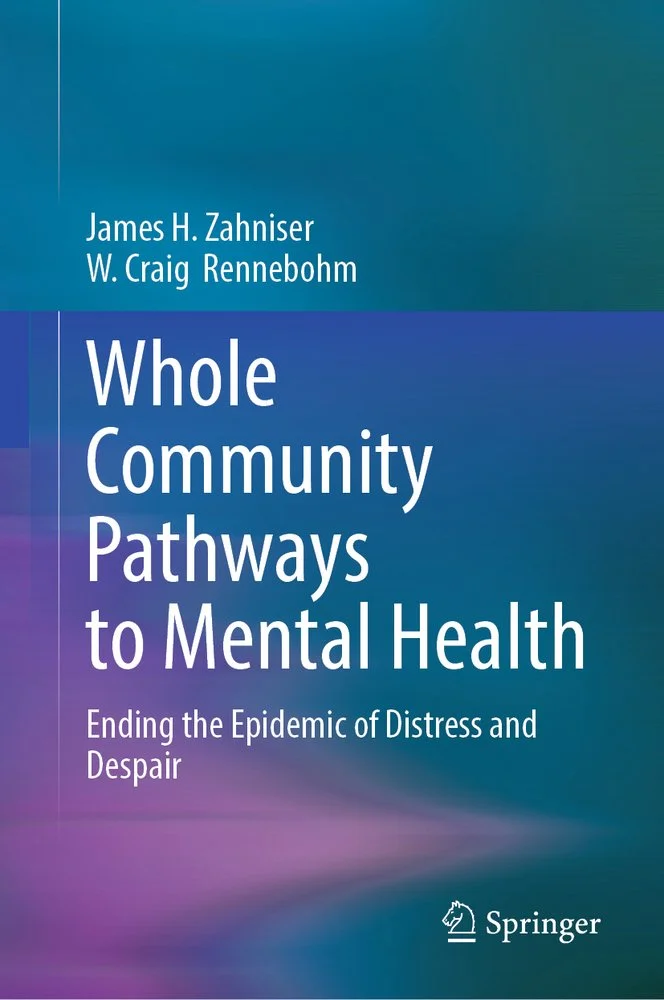
Craig is the author ofSouls in the Hands of a Tender God, a small but very influential book about the ministry of companionship, leading us from distress and despair into healing through a deeply mutual community. He is also the co-author of a just recently published book, Whole Community Pathways to Mental Health.
I am particularly grateful for this opportunity to talk with Craig in that his book Souls in the Hands of a Tender God greatly influenced the beginning chapters of Facing Homelessness and my own personal journey into companionship with people living on our streets.

Craig Rennebohm in June 2026
Souls in the Hands of a Tender God
A compassionate chronicle of a Protestant pastor who for decades has ministered to Seattle's homeless and most vulnerable communities Craig Rennebohm shares the evocative stories of those he has encountered on the street who desperately need psychiatric, psychological, and spiritual support. We meet people who, abandoned and marginalized by their community, need care and treatment to find their way back to a life of stability and meaning. Their stories become parables that explore mental illness and the spiritual heart of care and recovery, helping us understand what it means to be human, on a pilgrimage together toward wholeness. Rennebohm's powerful experiences, drawn from his own life and the lives of those he has aided in their struggles, show us a God of kindness and compassion. He offers a clear understanding of Spirit, faith, soul, and religion that will prove invaluable to individual conversations and to dialogue among congregations about how we can best welcome and include
"the least among us"--our most fragile and troubled neighbors. With gentleness and grace, solid knowledge and wisdom, Rennebohm helps those who are seeking a path of healing and the way of companionship so they may build healing communities of caring that in which all may have a home, safely rest, and be well.

Whole Community Pathways to Mental Health
This book addresses the dire need for mental health professionals, planners, students, and advocates to develop a more comprehensive, whole community approach to reversing the epidemic of suicidality, suicide, substance use, overdoses and other forms of distress and despair. The authors start by reviewing the precipitous increases in "deaths of despair" (suicide, drug overdoses, and alcohol-related deaths), as well as in suicidality, substance use disorder, and other mental health conditions. Their summary goes beyond that of Case and Deaton (in "Deaths of Despair and the Future of Capitalism") by showing the full extent of the epidemic, across the entire array of mental health and substance use conditions. Zahniser and Rennebohm then explain the experience of distress and despair and how distress moves into despair, using depression, suicidality/suicide, and substance use disorders/overdoses as examples. Finally, to close out Part 1, they explicate the various layers of vulnerability to distress and despair and why the loss of social capital and strong social ties best explains the precipitous increases. Part 2 is the heart of the book, and it lays out 7 pathways to reversing the epidemic. These include evidence-based and best-practice approaches to: (1) providing effective natural, community-based support; (2) developing community collaborations between mental health providers and other community organizations (using examples from mental health-faith community partnerships); (3) taking evidence-based prevention and early intervention to scale; (4) integrating mental health into primary health care; (5) developing fully-functioning Certified Community Behavioral Health Clinics; (6) ensuring the availability of intensive recovery support services for children and adults; and (7) providing outreach and engagement services to the most vulnerable community members. Part 3 provides a framework for bringing the 7 pathways together into a comprehensive, coherent mental health improvement effort that can reverse the epidemic in each community. Zahniser and Rennebohm describe the structure and operations of this organized effort, feature examples of communities that have approximated it, and explain what state and national mental health authorities should do to support them. Throughout the book, the authors' own experiences with distress as well as in working with communities to reduce it are featured, along with the voices of other people with lived experience. Numerous examples of successful community collaborations and evidence-based programs are presented. The threads of relationship, community, and collaboration are woven through each chapter.